

















Previous
Next

"Bücker Alex Papana" polo

€92.00
Tax included

Tax incl.
  Garanties sécurité

(à modifier dans le module "Réassurance")

  Politique de livraison

(à modifier dans le module "Réassurance")

  Politique retours

(à modifier dans le module "Réassurance")
Size

Polo 90% cotton / 10% silk - Grey

Care tips for long-lasting pieces : Cold wash

Clothing Care

Delivery & Returns

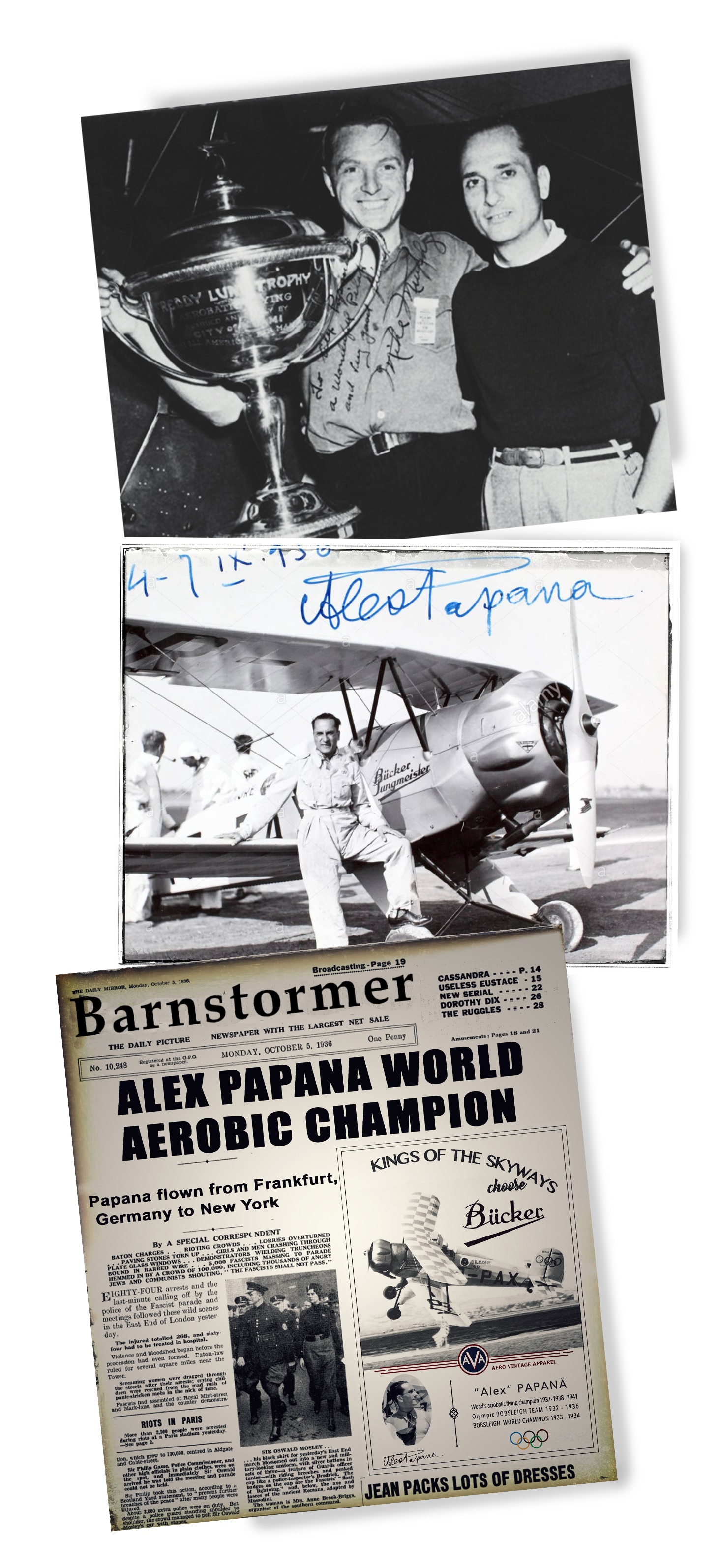
The story behind the legend

Once upon a time...

Papană earned his pilot's license in 1928 while in Romania, and was already setting altitude records by 1931. At the 1936 Summer Olympics in Berlin, he competed in gliding (which was a demonstration sport), finishing in a respectable 12th place as the only representative of Romania. This earned him an invitation to an aerobatics competition in Los Angeles.

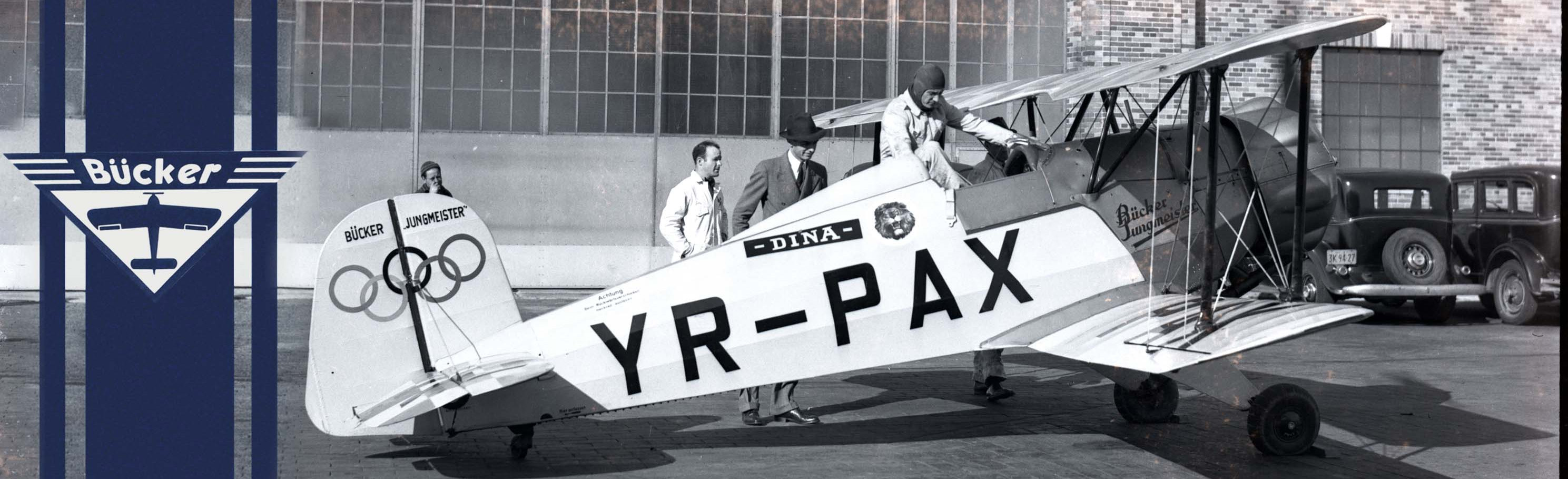
Papană accepted the offer, and he and his aircraft, a Bücker Bü 133B Jungermeister (one of only two versions of this variant ever produced) bearing the registration YR-PAX, were flown from Frankfurt, Germany, to New York, New York, on the Hindenburg airship in August 1936. He then flew across the United States from New York to Los Angeles, winning the race between the two cities. In Los Angeles, he won the national air races held there. In December of that year, Papană finished second with the Jungermeister in a race between Miami, Florida, and Havana, Cuba.

At an air show in Cleveland, Ohio, the following year, Papană was involved in a battle with fellow aviator Count Hagenburg, which ended with the crash of the Count's plane. Papană offered Hagenburg his plane, but the count refused.

Papană's plane was damaged on an airport runway in Chicago, Illinois, in 1940. The plane was sold twice before being donated to the Smithsonian Institution in 1973. The plane is now in the Steven F. Udvar-Hazy Center in Chantilly, Virginia.

Papană went on to test gliders for Northrop as a test pilot, many of his flights documented in Flying magazine. He participated in the testing of the P-61 Black Widow aircraft that would be committed to the U.S. Army Air Forces during World War II.

You might also like