








Previous
Next

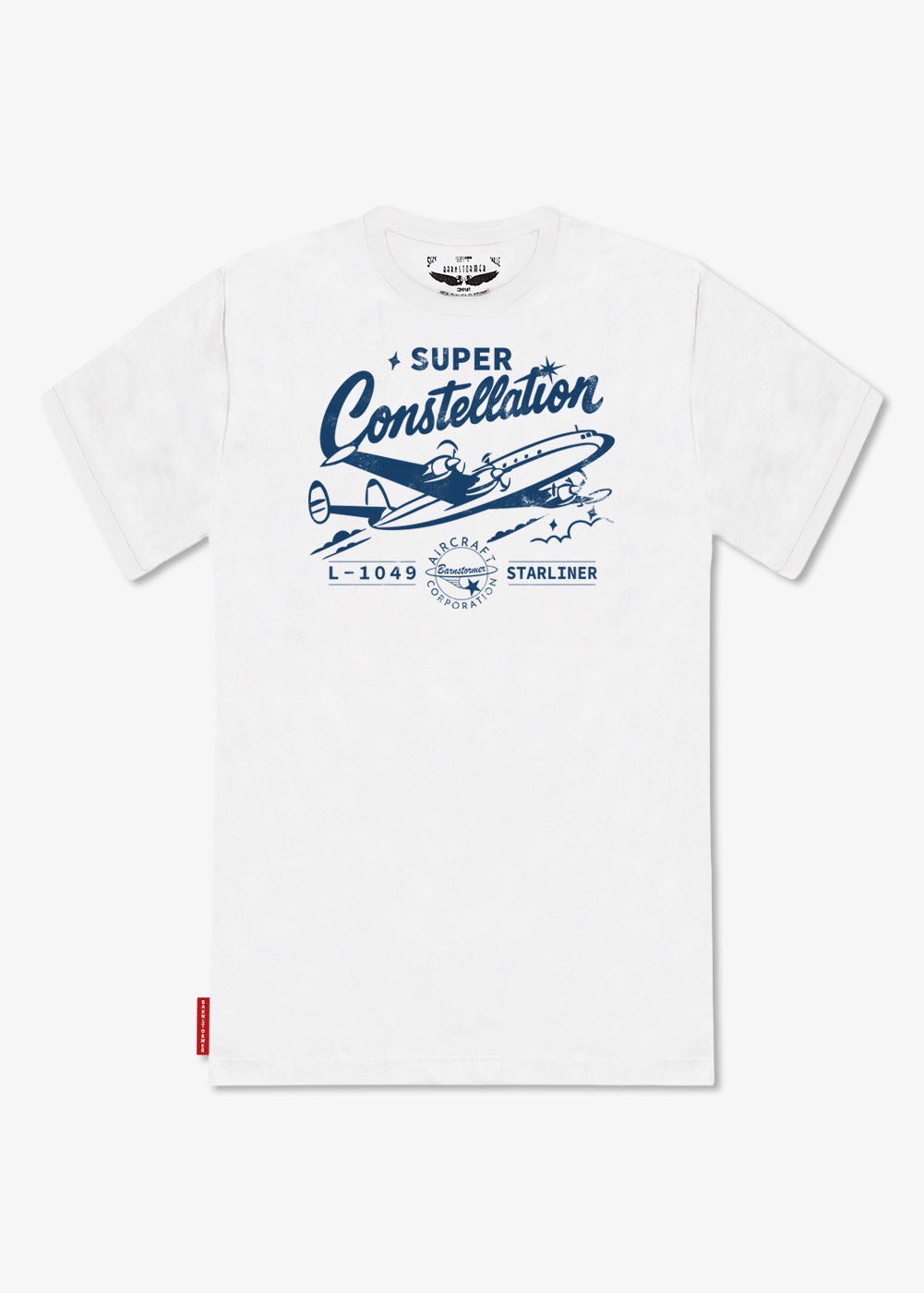
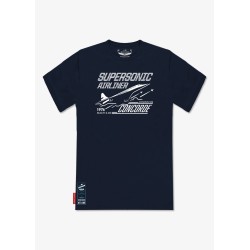
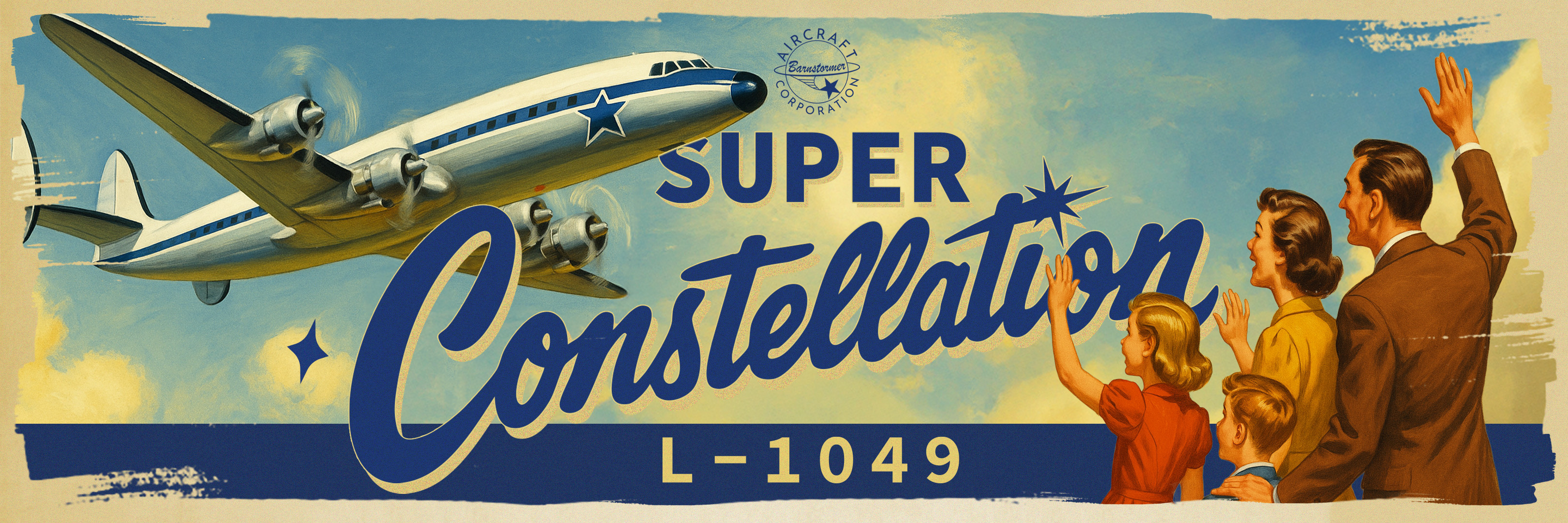
"Super Constellation" T-shirt

€37.00
Tax included

Tax incl.
  Garanties sécurité

(à modifier dans le module "Réassurance")

  Politique de livraison

(à modifier dans le module "Réassurance")

  Politique retours

(à modifier dans le module "Réassurance")
Size

T-shirt unisex 100% cotton - White

Wash inside out at 30° with similar colors

T-shirts made in our workshop. If they're no longer in stock, don't worry, we'll make one for you to receive as soon as possible (deadline communicated when order placed).

Clothing Care

Delivery & Returns

The story behind the legend

Once upon a time...

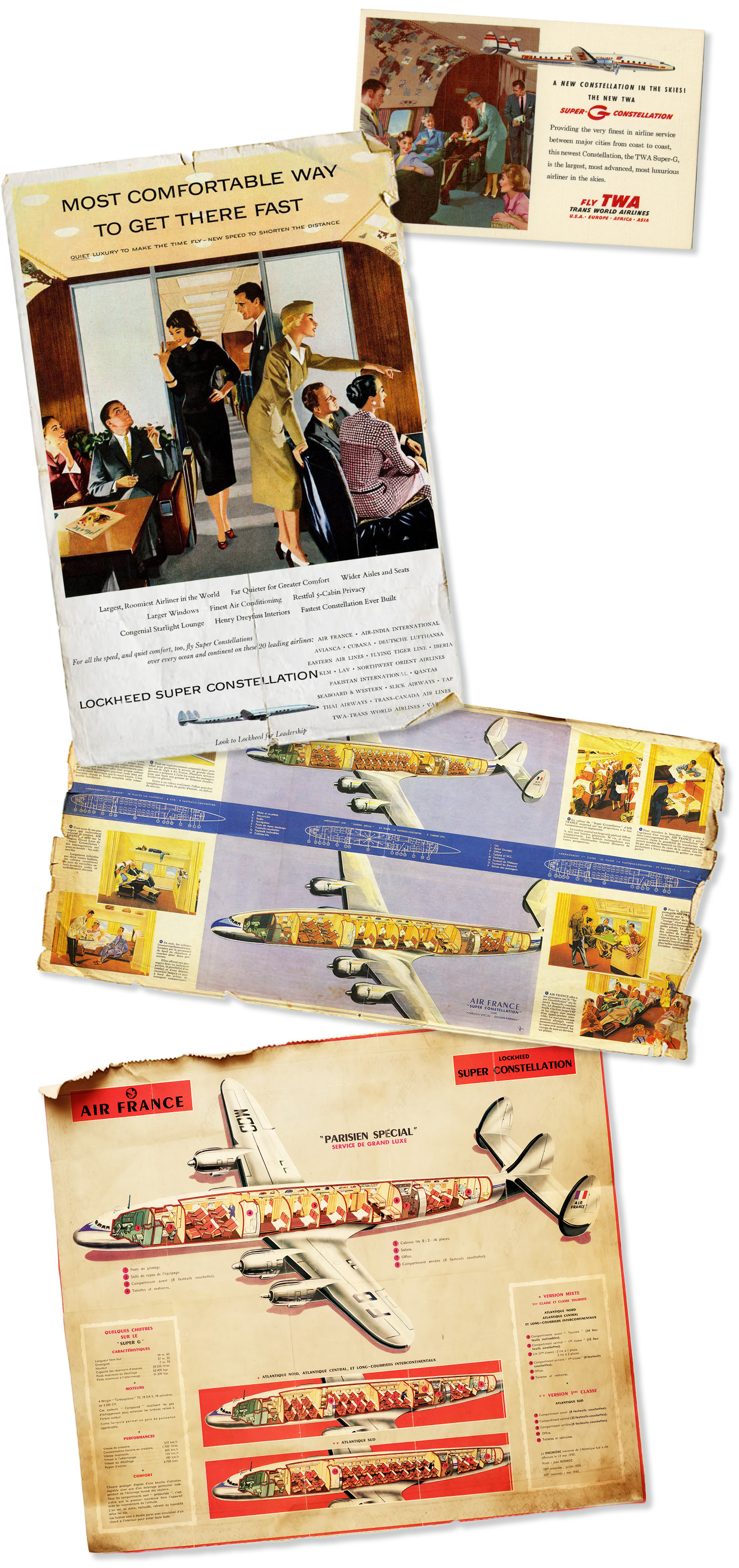
The Lockheed Super Constellation is a propeller-driven airliner designed and built by the Lockheed Corporation in the 1950s. It is an improved version of the Lockheed Constellation, a revolutionary aircraft for its time, identifiable by its elegant fuselage and distinctive triple tail. The Super Constellation, officially designated Lockheed L-1049, was developed to meet the growing demand from airlines for more powerful aircraft, offering greater range and increased passenger capacity.

First put into service in 1951, the Super Constellation was powered by four Wright R-3350 Turbo-Compound piston engines, enabling it to cover long distances at a cruising speed of around 480 to 500 km/h. It could carry up to 100 passengers, depending on configuration, making it ideal for transatlantic flights. Its pressurized cabin offered unrivalled comfort at the time, helping to make air travel a more accessible and enjoyable experience for passengers.

The Super Constellation was used not only by major airlines such as TWA (Trans World Airlines), Pan American World Airways and Air France, but also by the US armed forces, notably in military transport, radar surveillance (under the designation EC-121 Warning Star) and early warning roles. Its versatility, robustness and aerodynamic design made it a popular aircraft for almost two decades.

With the advent of jet aircraft in the 1960s, the Super Constellation was gradually withdrawn from commercial service, but today it remains an emblematic symbol of the golden age of aviation. A few examples can still be seen in museums or at airshows, sometimes even in flying condition.

You might also like