


Menu
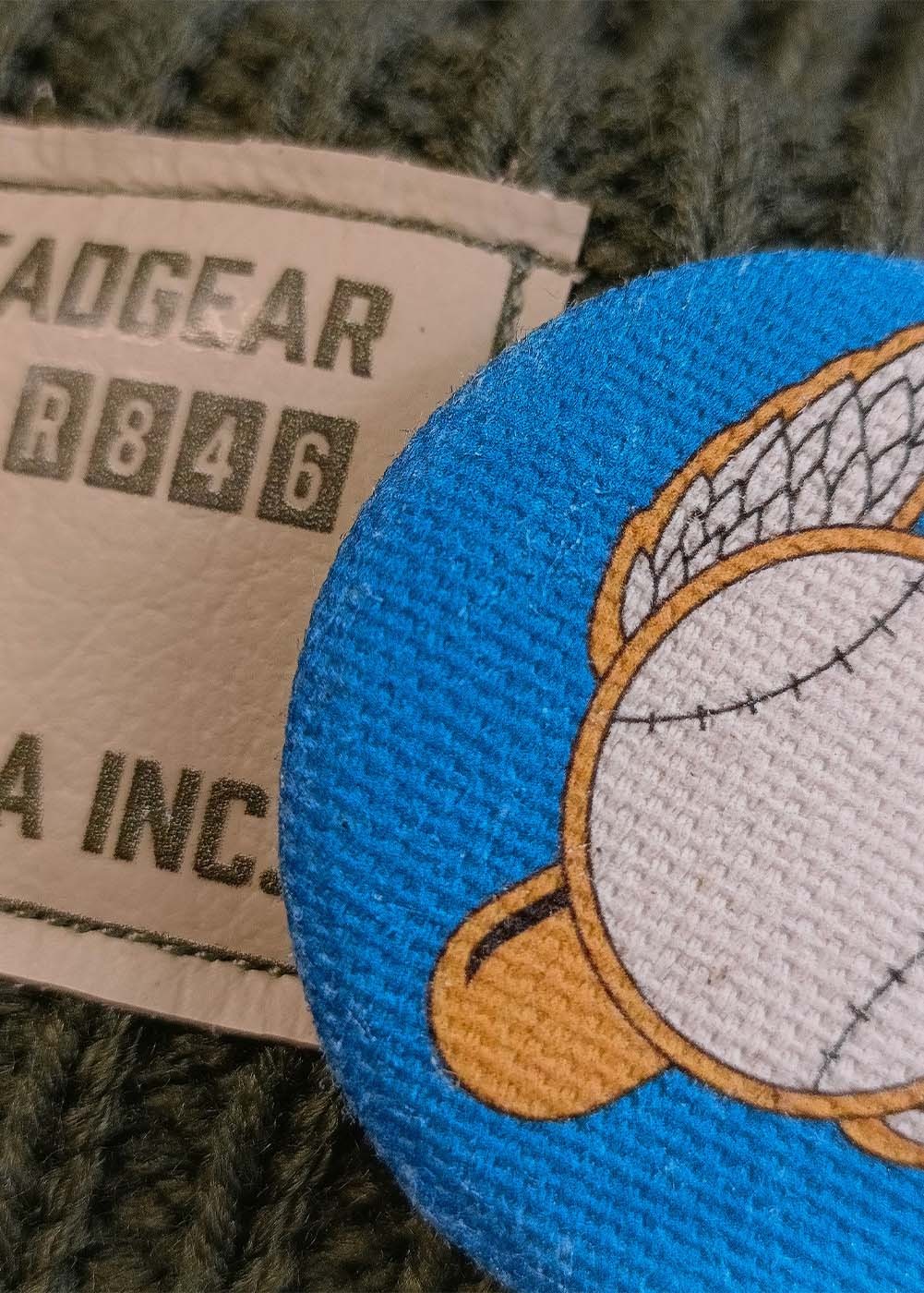
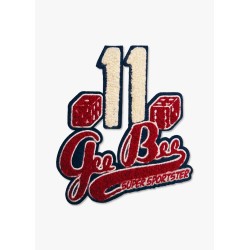
"B17 - Ball Boys" badge
€5.00
Tax included
Tax incl.
×
(à modifier dans le module "Réassurance")
Our badges are made in our workshop. If they are no longer in stock, rest assured, we will make one so that you receive it as quickly as possible (deadline communicated following the order placed).
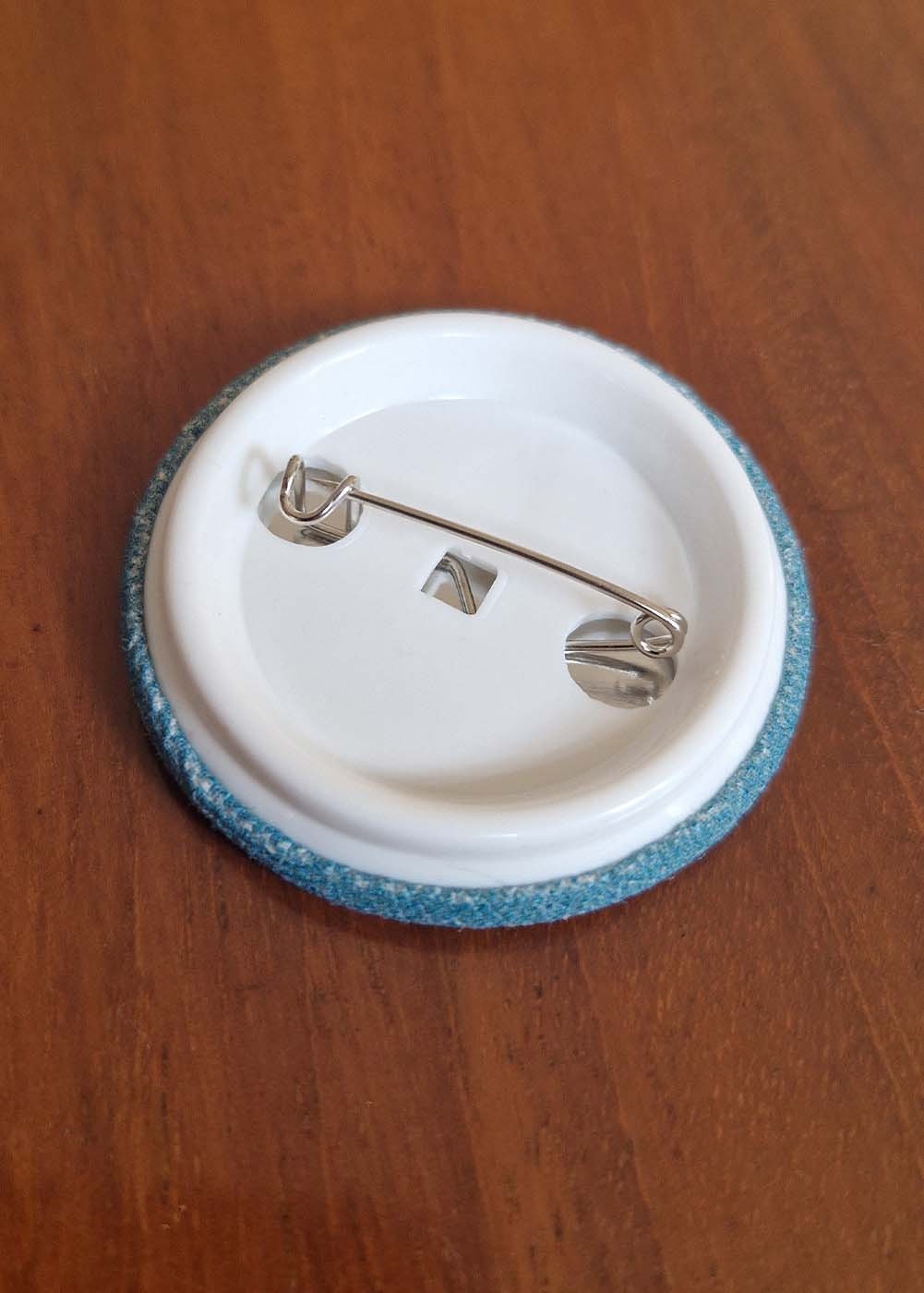
Pin-on badge.
Clothing Care
Delivery & Returns
The history of the badge begins in 1789 when real metal clothing buttons were made to commemorate the election of George Washington.
In 1896, "Whitehead & Hoag", a New Jersey (U.S.A) company, producing, among other things, buttons for clothing, consisting of a piece of fabric placed on a metal shell, The badge as we know it was then born.
Popularized by the GIs during the 2nd World War, we offer you a wide range of badges or "Buttons" featuring their historic fabric finish!
The story behind the legend
Once upon a time...
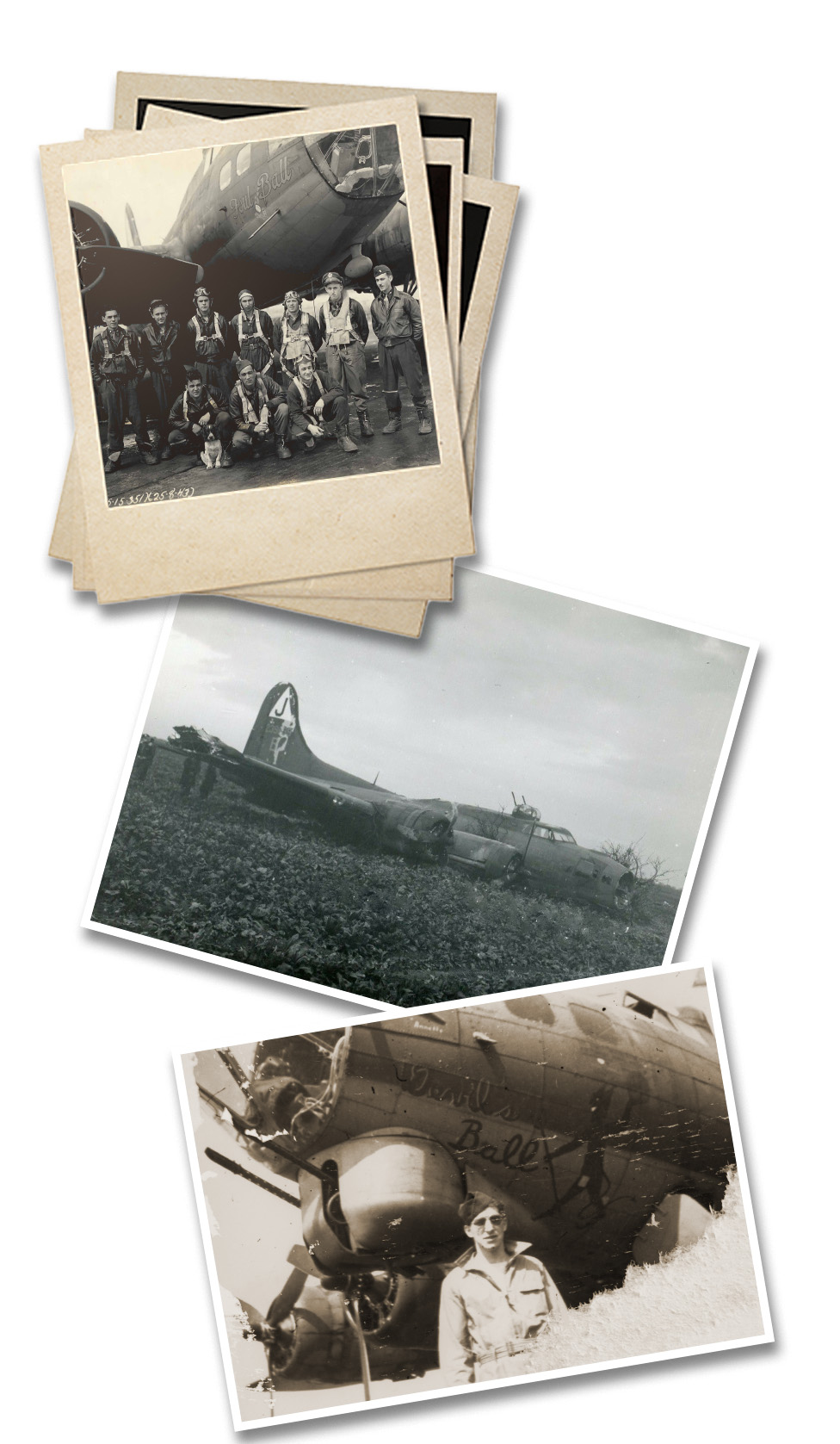
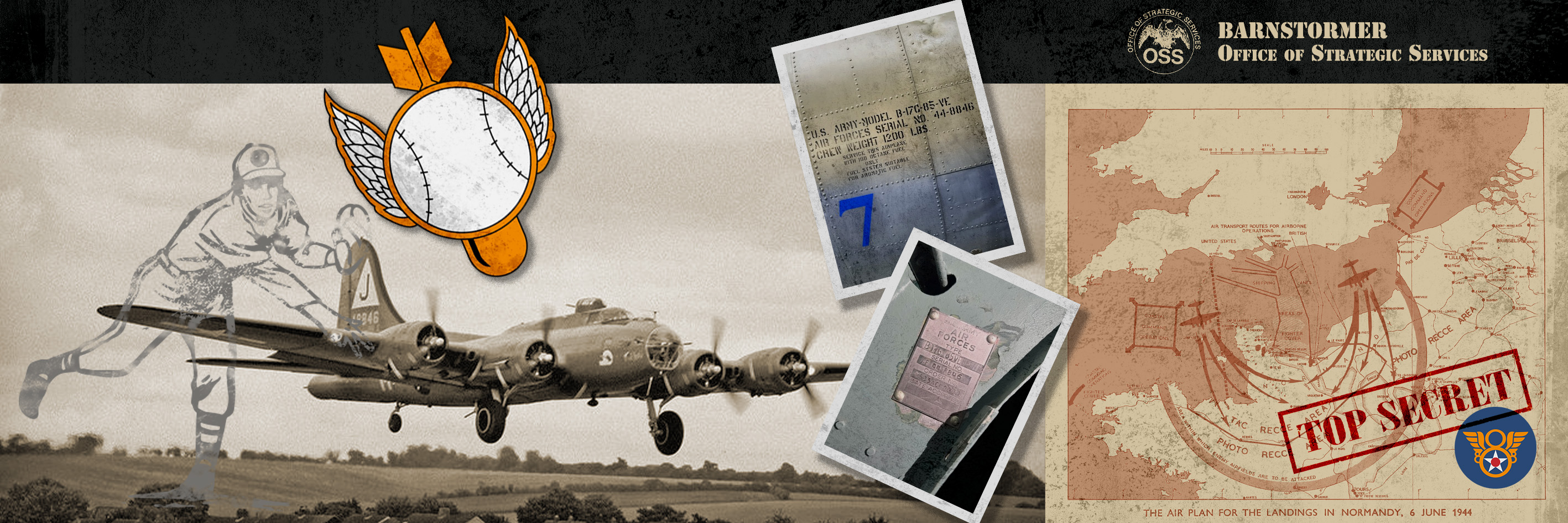
The 511th Bomb Squadron is a historical unit of the U.S. Air Force, integrated within the 509th Bomb Wing. Created during the Second World War, it took part in numerous strategic missions in Europe, contributing to Allied air superiority thanks to its heavy bombers.
The missions of the 511th Bomb Squadron were varied and of critical importance. During the Second World War, the unit primarily carried out strategic bombing operations aimed at weakening the enemy’s war industry: factories, fuel depots, rail infrastructure, and military bases. These operations, often conducted at high altitude and over hostile territory, required exceptional precision and remarkable courage from the crews. After the war, the 511th took part in nuclear deterrence and strategic training missions during the Cold War, helping to maintain U.S. air superiority and ensure the security of American territory and its allies.
One of the emblematic aircraft used by the 511th Bomb Squadron is the Boeing B-17 Flying Fortress. This four-engine bomber, nicknamed the “Flying Fortress,” was one of the most striking symbols of Allied aviation during the Second World War. Designed for its toughness and its ability to absorb heavy damage while continuing its mission, the B-17 could carry nearly four tons of bombs and was equipped with numerous defensive machine guns to protect the crew. Its range, reliability, and firepower allowed American forces to strike deep into the industrial heart of Nazi Germany, playing a decisive role in the Allies’ air victory.