
Menu
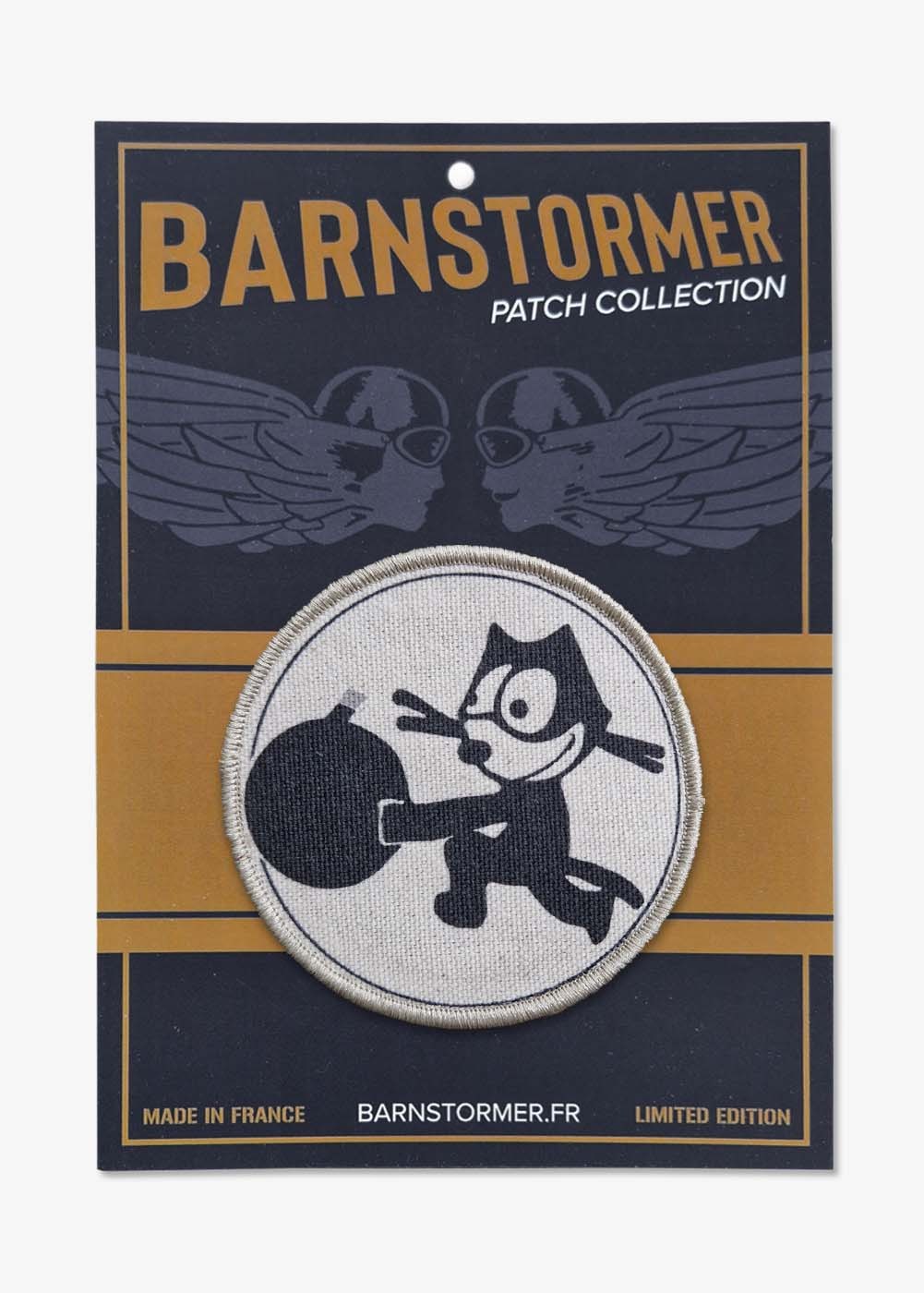
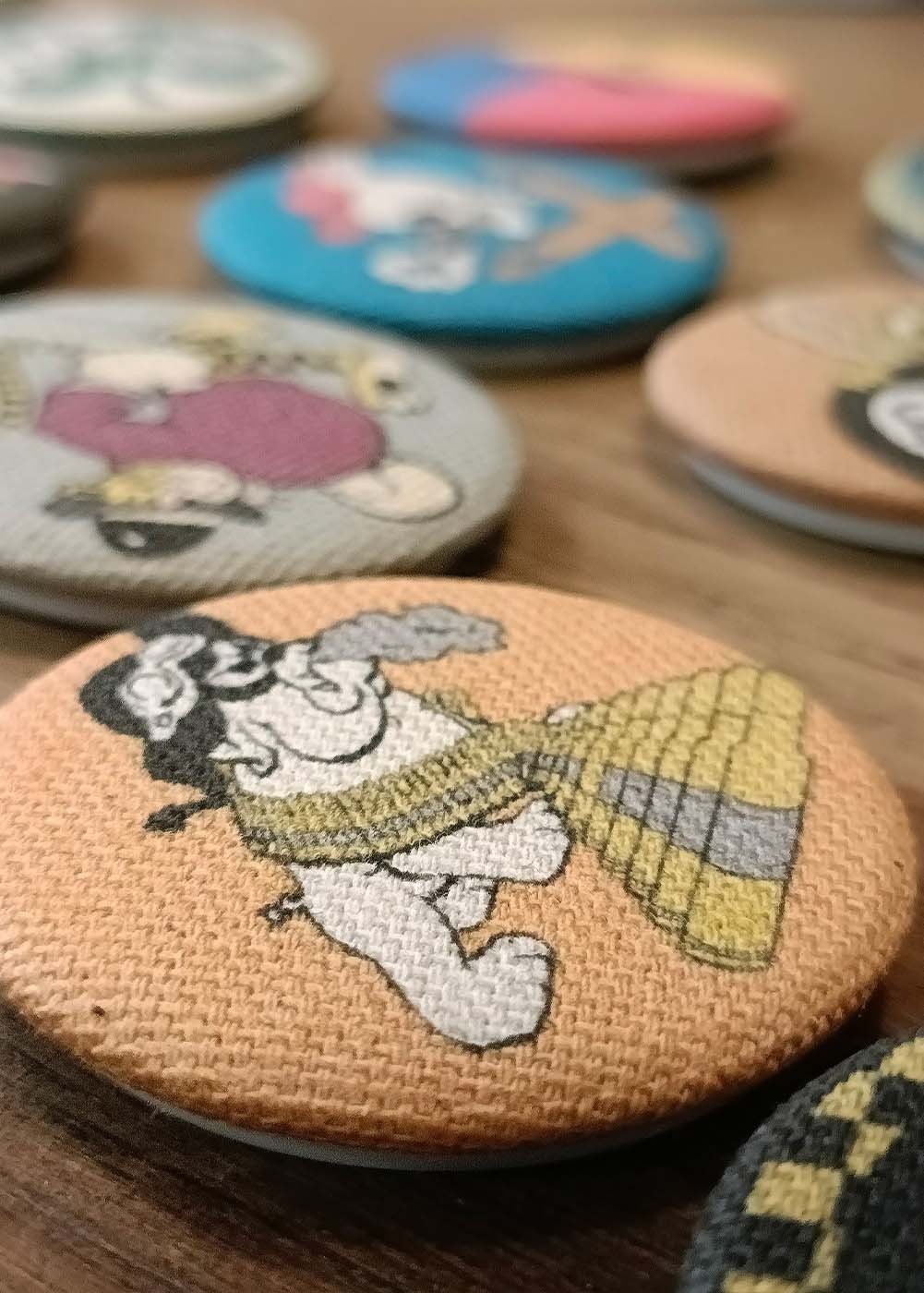
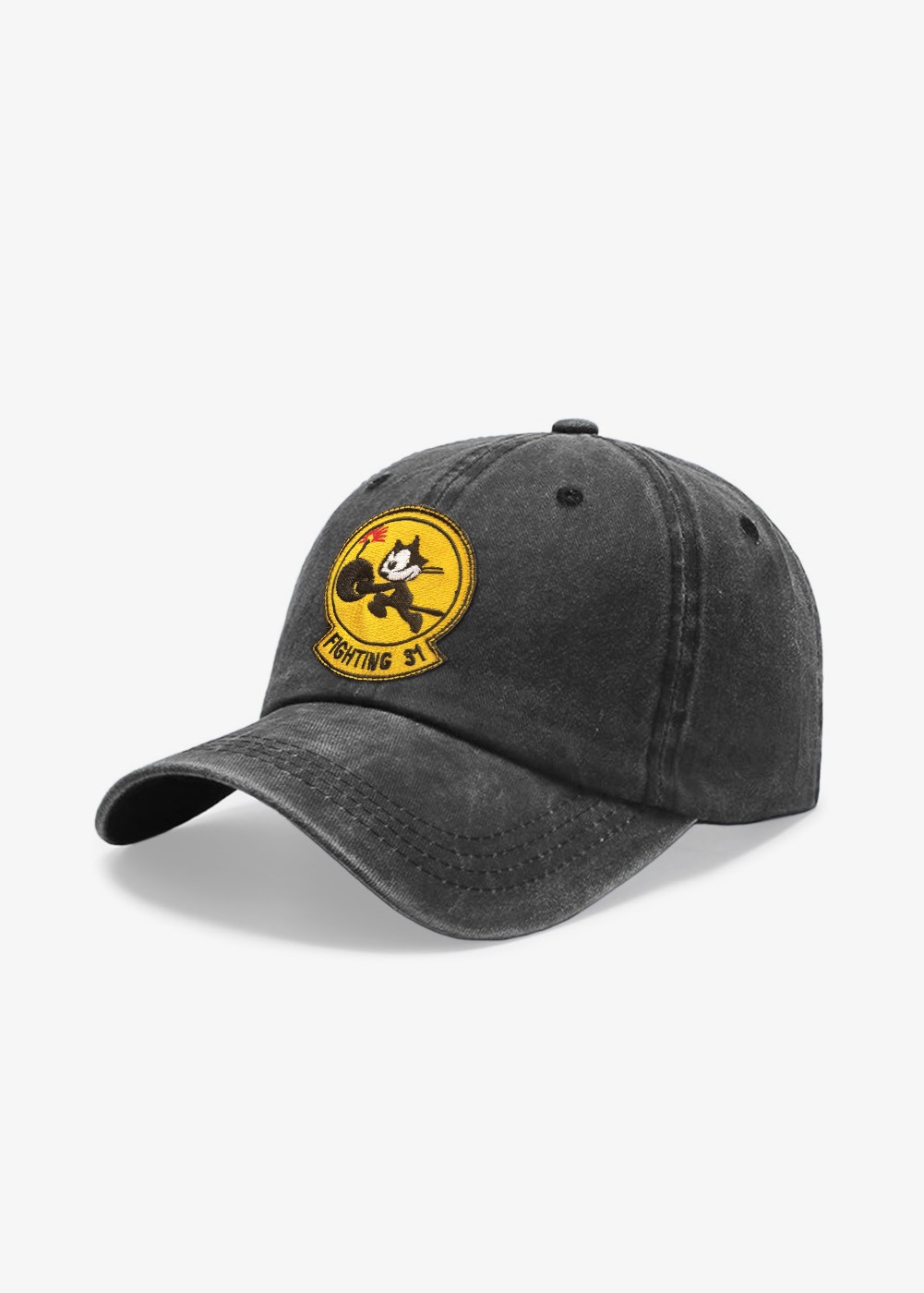
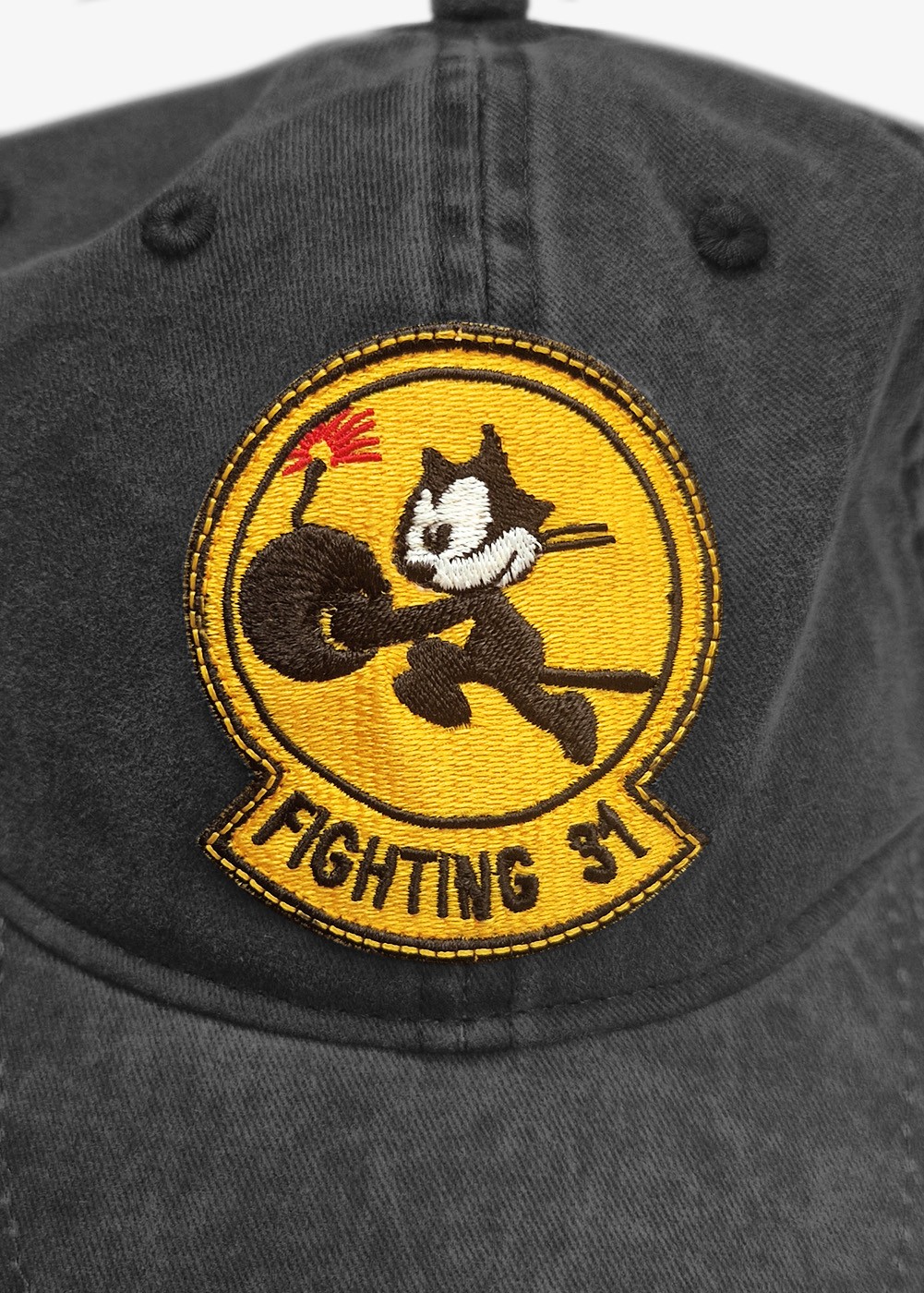
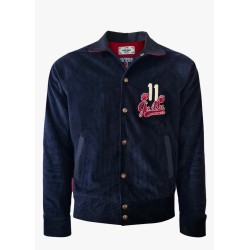
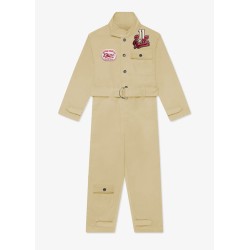
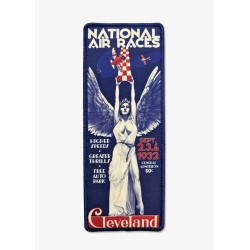
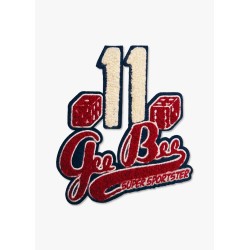
"Wildcat" patch
€5.00
Tax included
Tax incl.
×
(à modifier dans le module "Réassurance")
Size
Diameter 8.7 cm classic patch or 7 cm children's jacket patch and cap patch.
Patch velcro print
Patchs made in our workshop. If they are no longer in stock, rest assured, we will make one so that you receive it as quickly as possible (deadline communicated following the order placed).
Clothing Care
Delivery & Returns
The story behind the legend
Once upon a time...
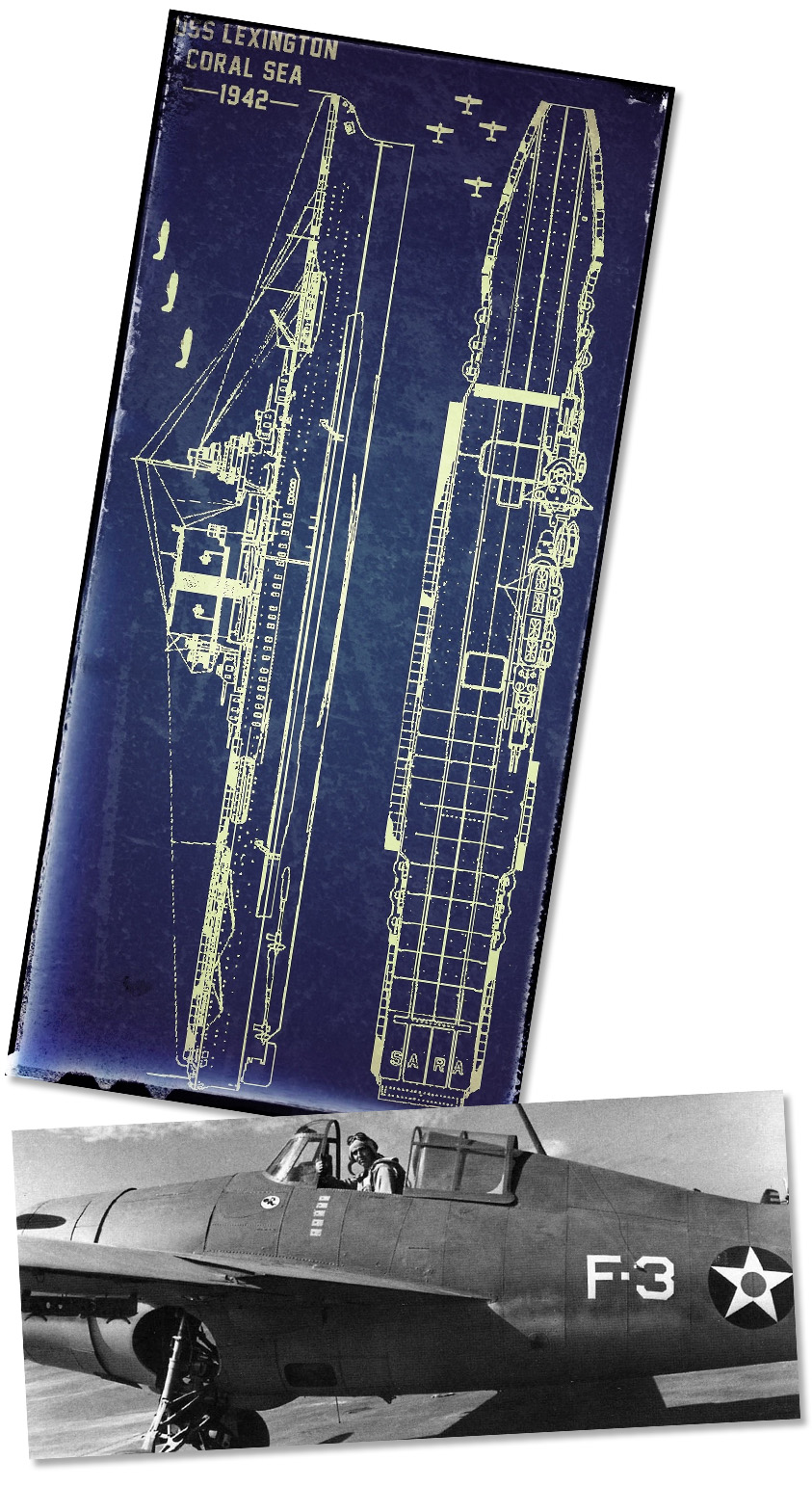
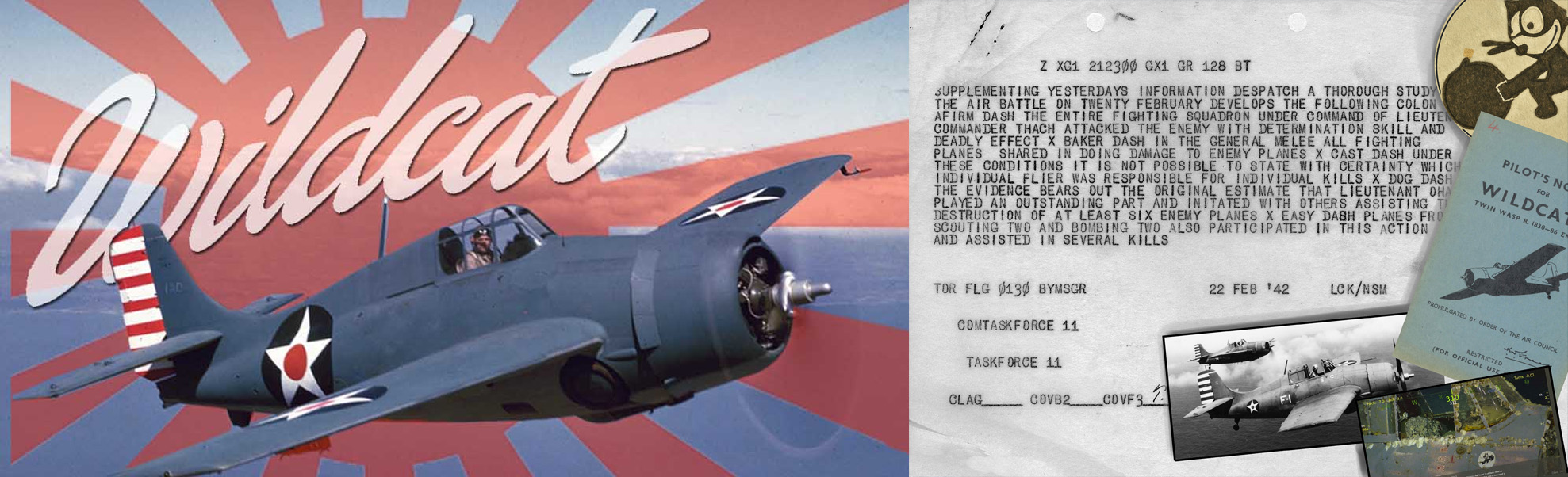
With the recent discovery of the wreck of USS Lexington (CV-2) in the depths of the Coral Sea in March 2018, a large number of wrecked aircraft from the embarked air group were spotted near the carrier.
Among them was an F4F-3 Wildcat on which the “Felix the Cat” insignia was painted, which at first glance seemed out of place. It is true that Fighting Squadron (VF) 3 had flown from the carrier’s deck earlier in the Second World War, but at the time of the Battle of the Coral Sea on 7–8 May 1942, VF-3 was land-based in Hawaii.
However, a closer examination of historical records reveals that before boarding Lexington on 15 April 1942 for what would be the ship’s final cruise, VF-2 took possession of nineteen of VF-3’s Wildcats for the upcoming campaign.
In addition, twelve pilots from the “Felix the Cat” squadron were transferred to VF-2. As part of organizing the squadron’s aircraft, the maintenance officers assigned them all new side numbers. With the press of events, no effort was made to obscure the markings the VF-3 aircraft already carried, including the squadron insignia, the Japanese “Rising Sun” flags signifying air-to-air kills, and the bomb silhouettes indicating air-to-ground attacks.
One of the former VF-3 aircraft was given the side number F-5 and assigned to Lt. Albert O. Vorse Jr., who had fought with the “Felix the Cat” squadron.