Menu
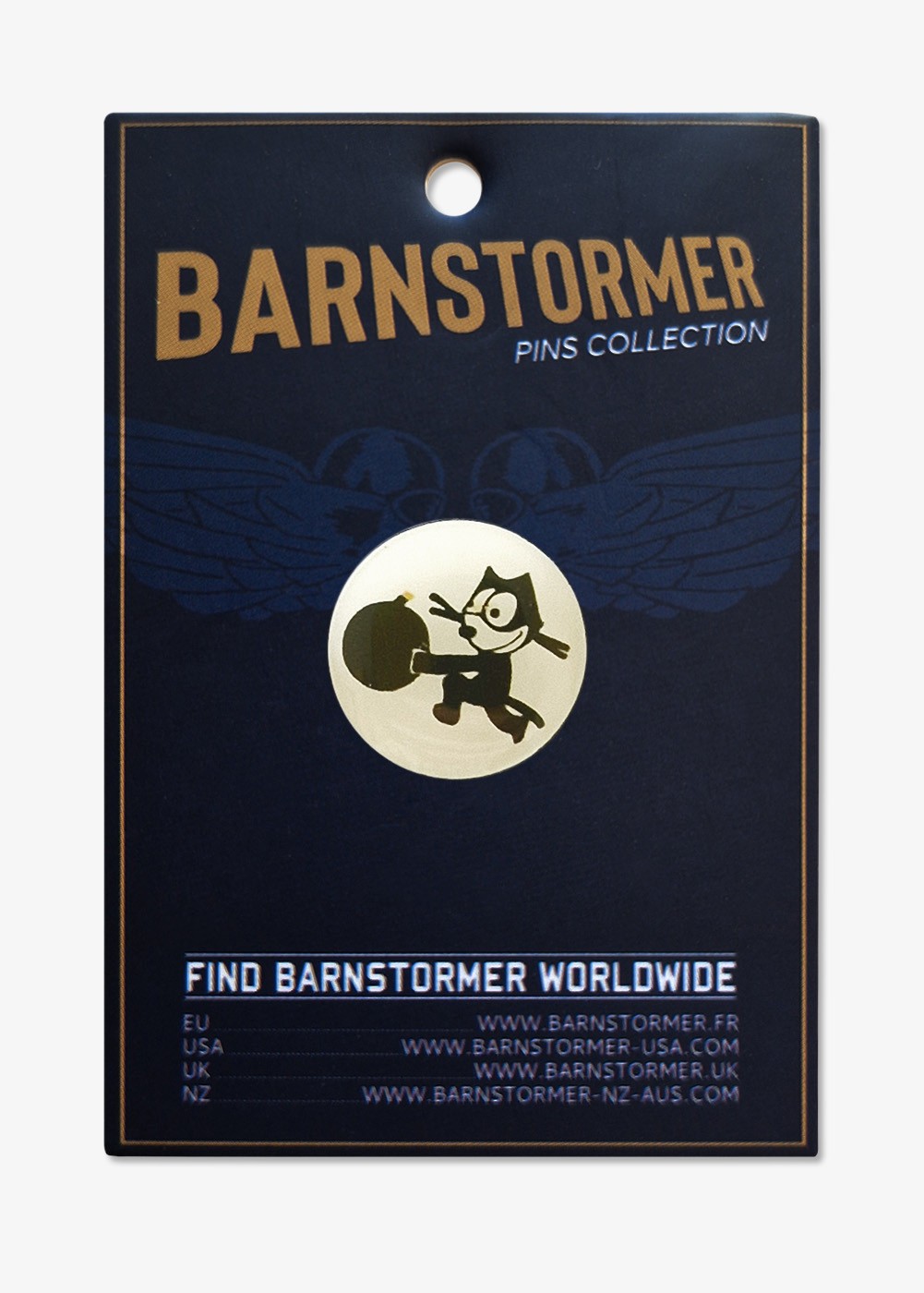
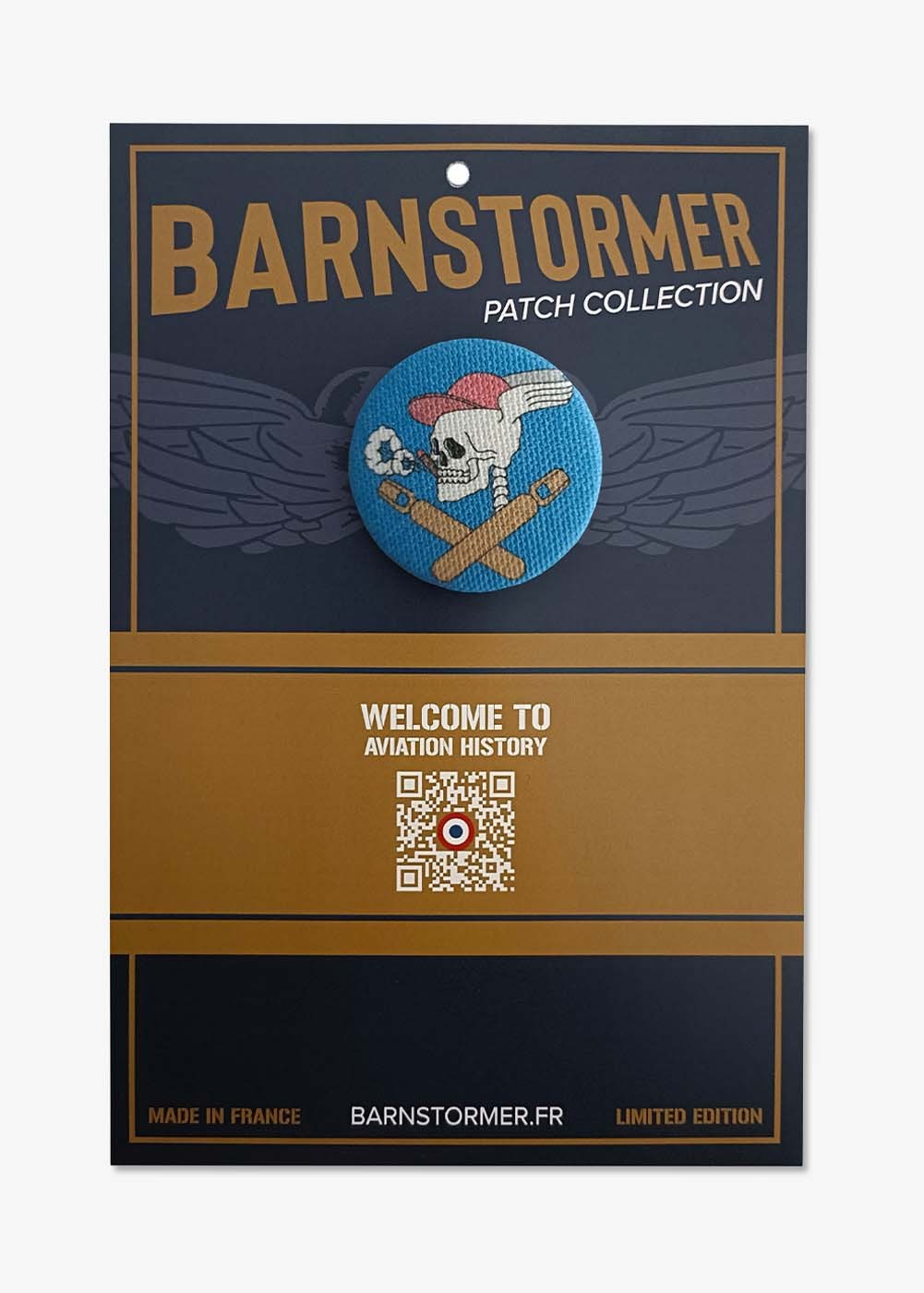
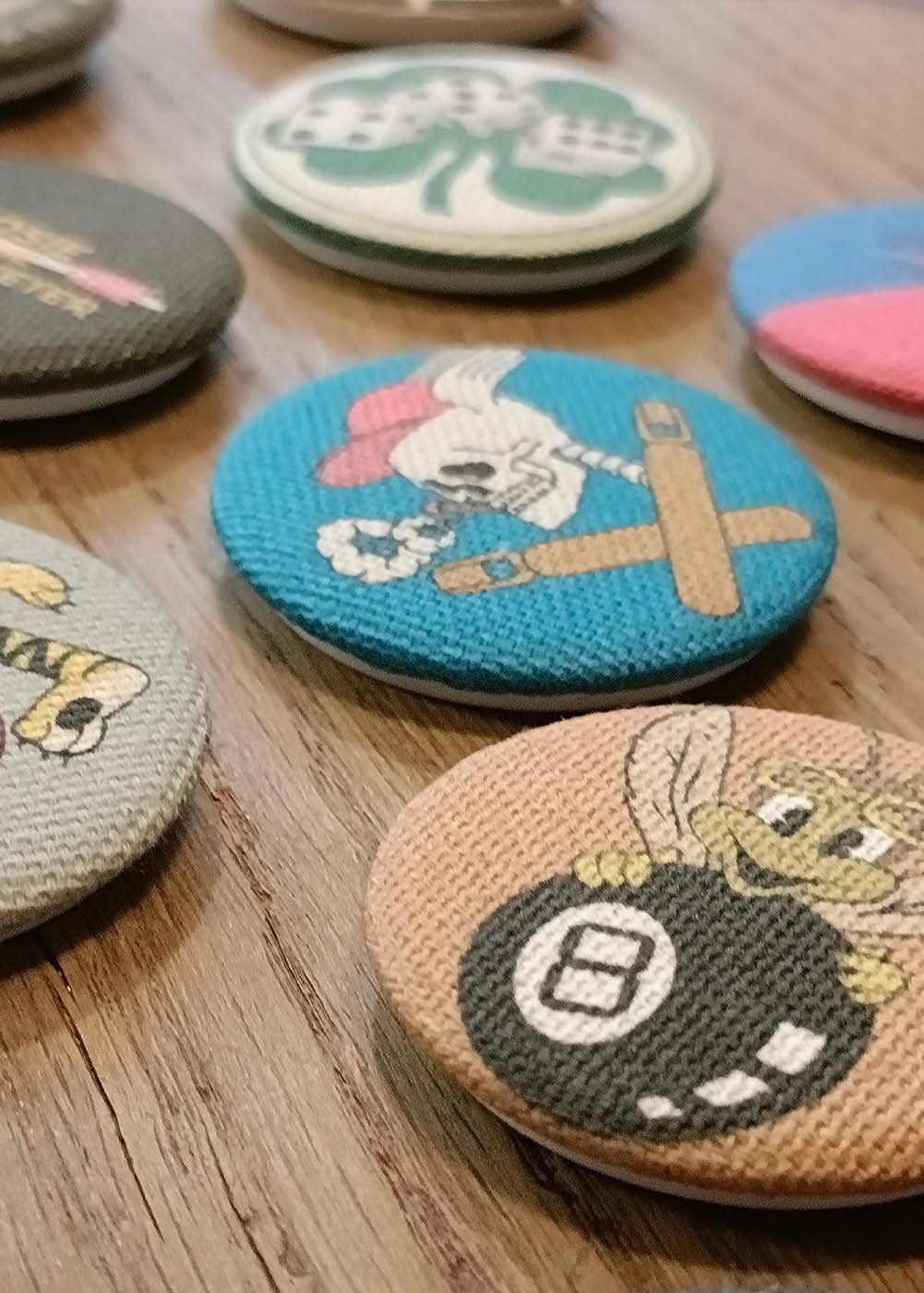
"Wildcat" pins
€7.00
Tax included
Tax incl.
×
(à modifier dans le module "Réassurance")
Magnetic metal pins
Size : 1,7 cm x 1,7 cm
Caution: Magnetic field - Not suitable for pacemaker wearers
Clothing Care
Delivery & Returns
The story behind the legend
Once upon a time...
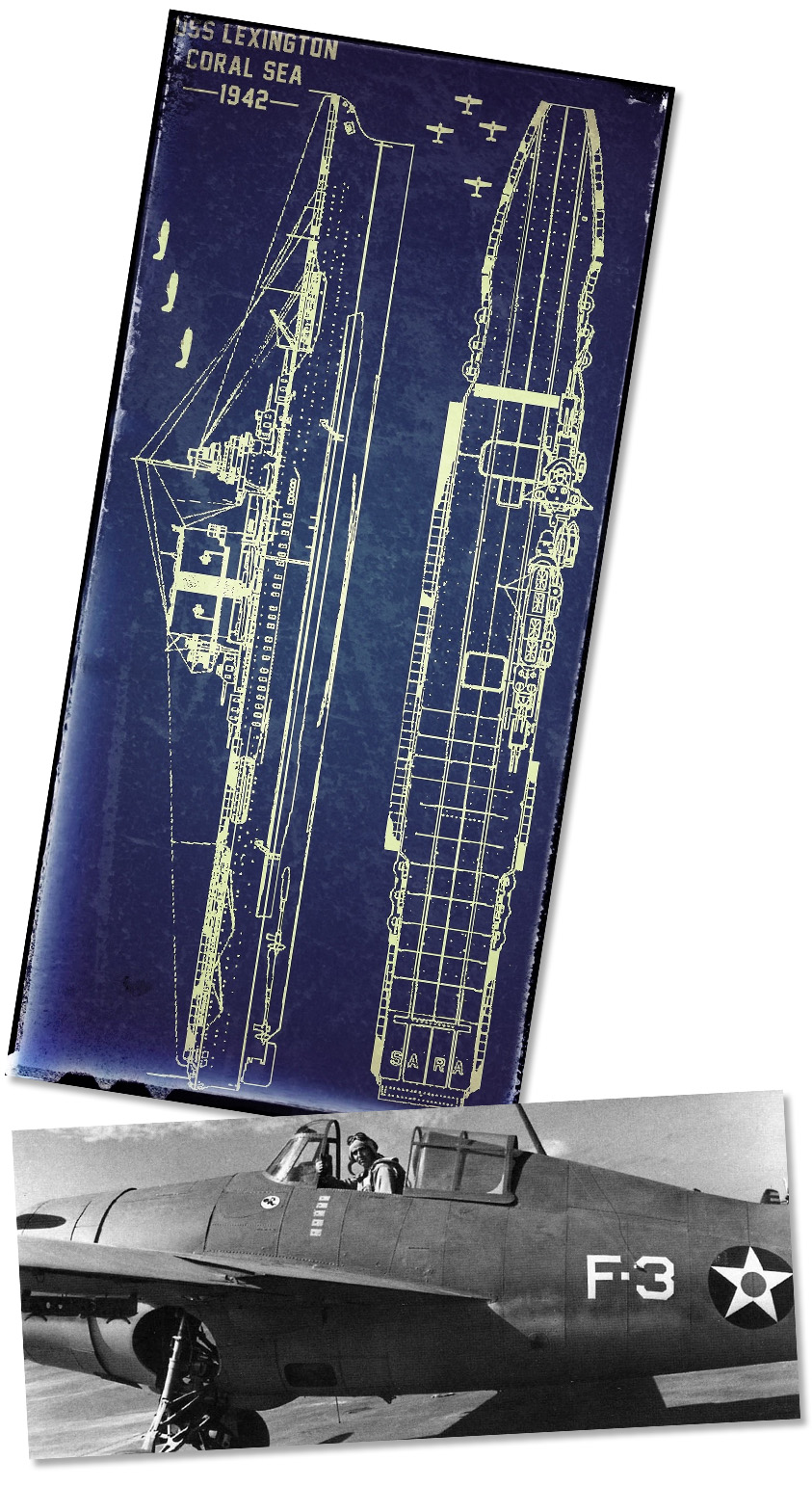
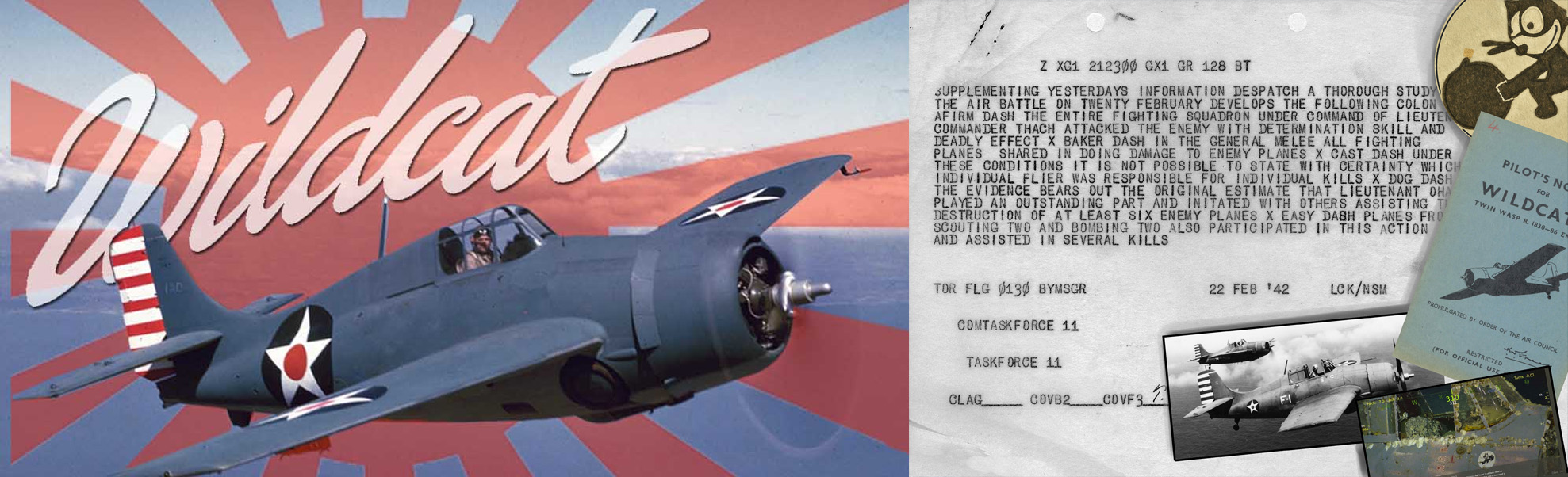
With the recent discovery of the USS Lexington (CV 2) wreck in the depths of the Coral Sea in March 2018, a large number of aircraft wrecks from the embarked air group were spotted near the aircraft carrier.
Among them was an F4F-3 Wildcat with the “Felix the Cat” insignia painted on it, which at first glance seemed out of place. It's true that Fighter Squadron (FV) 3 had flown from the carrier's deck earlier in the Second World War, but by the time of the Battle of the Coral Sea on May 7-8, 1942, FV-3 was based ashore in Hawaii.
However, a closer look at historical records reveals that before embarking in Lexington on April 15, 1942 for what would be the ship's final cruise, VF-2 took possession of nineteen VF-3 Wildcats for the coming campaign.
In addition, twelve pilots from the “Felix the Cat” squadron were transferred to VF-2. As part of the organization of the squadron's aircraft, maintenance assigned them all new side numbers. With the press of events, no effort was made to conceal the markings that VF-3 aircraft already bore, including the squadron insignia, Japanese “Rising Sun” flags that signified air-to-air kills and bomb silhouettes to indicate air-to-ground attacks.
One of the earliest VF-3 aircraft was given the side number F-5 and assigned to Lieutenant Albert O. Colonel Vorse, Jr, who had fought with the “Felix the Cat” squadron.